

Automotive & MobilityKia
Customer and Brand Digital Experience Innovation: Kia Global In-Store DCXJ (Digital Customer Experience Journey)
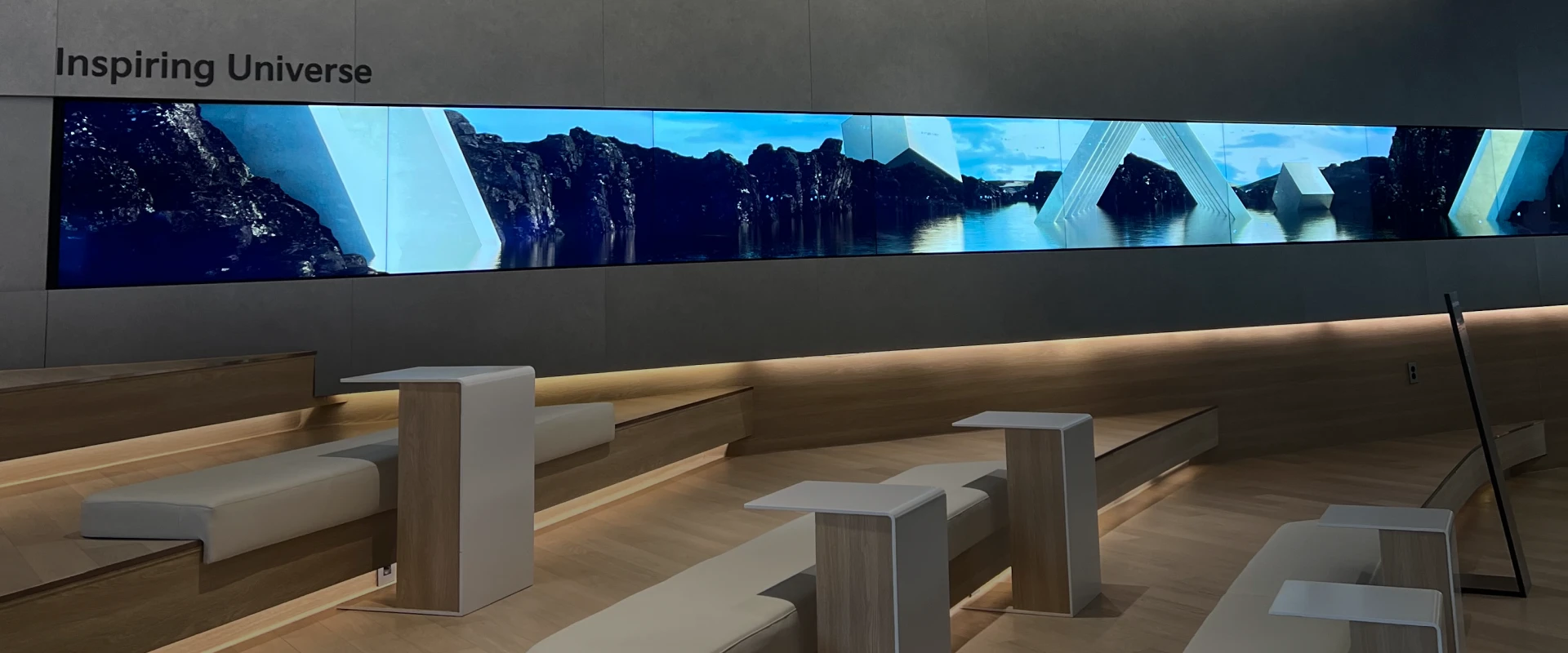

Redesigning the in-store journey of Kia showrooms worldwide around digital experience.
Project Information
- Industry
- Automotive & Mobility
- Project Type
- Optimization
- Role
- Research, CX Strategy, Customer Journey Design
- Client
- Kia
- Client
Introduction - Kia is a global brand leading the popularization of eco-friendly mobility centered on innovative electric vehicles. It provides sustainable solutions by expanding Purpose Built Vehicles (PBV) and a range of mobility services, and its distinctive design, advanced autonomous driving technology and connectivity services offer customers new experiences.
Today’s car buyers want a unique experience that goes beyond a simple transaction. The buying process has evolved into a journey in which customers connect with the brand, experience technology and innovation, and choose a car that fits their lifestyle. Because customers gather information and form expectations online before visiting a store, harmonizing online and offline experiences has become essential, not optional.
The “Kia Global In-Store Digital CXJ” project designed an integrated digital experience in the store based on the recently changed car buying journey, reflecting a shift in the automotive industry where digital interactions now shape the whole customer experience.
Case Intelligence Summary
Pain Points
Stores outside Korea had no standardized digital customer experience.
Buying a car used to be about building trust through physical experiences — face-to-face consultation, seeing the car and test drives — but the digital shift changed how people access information, what they expect and how personal they want it to be. Customers now research cars online and decide through many digital touchpoints, and they expect the same personalization and convenience in the showroom. Korean stores, with high digital adoption, had the potential for rich experiences, but overseas stores had no standardized digital customer experience. We first had to find each country's store-specific problems and directions for improvement. The goal was to turn Kia's 200-plus showrooms worldwide from car displays into places where customers and the brand truly interact.
Strategic Lens
Four kinds of research, into trends, competitors, the global status and consumers, set the direction.
Before designing the DCXJ, four strands of research defined the new journey and the role of digital tools. We organized digital customer experience into 12 global trends under four themes: Seamless Commerce Omnichannel, Brand Experience Enforced Interactivity, Generation-less Digital Channels and Hyper-Personalization. We then visited stores of foreign automakers and other service brands in Korea, experiencing their layout, service and digital experiences firsthand and evaluating them quantitatively and qualitatively. Kia's global situation was surveyed in two steps. Video calls with regional managers built an understanding of markets and customers, and written interviews with managers in 15 countries went deep into purchase journeys, in-store digital systems and the environment for collecting customer data.
Creative Approach
350 consumers in three countries and nine FGIs revealed how people visit stores.
We surveyed 350 consumers in Korea, the US and the Netherlands online and ran FGIs with nine groups. We analyzed what shapes store-visit behavior in each country, where customers feel friction, and which issues matter in building a global DCX. Visit purposes and behavior differed greatly with digital engagement and reliance on dealers, affecting every stage of the journey. Attitudes toward sharing personal data by country and group also demanded a more careful design. Above all, rich digital experiences built a positive brand image across most consumer groups, and voices like “If it changed to feel this trendy, I think my image of the brand would get better too” proved the link between DCX and brand experience.
Delivered Experience
We designed a three-stage global standard DCXJ that connects the time before and after a store visit.
Based on analysis of market trends, store environments and customer behavior, we designed a global standard DCXJ that connects every stage before and after the showroom visit without breaks. The focus was to give customers the rich experience they need to decide, even with minimal dealer involvement. The journey has three phases: Start Experience for looking around the brand and store, Search & Engagement for exploring models and features in depth, and Decision Making for tailored support through to the contract. For each phase we defined improvements to existing digital tools, guides for new ones, and ways to collect and use customer data. We also defined DCXJs by store type based on each country's digital readiness and local sales environment, supporting rollout and results country by country.
Looking to redesign the in-store customer journey for the digital era? Saltcake connects strategy to the experience on the floor
Contact